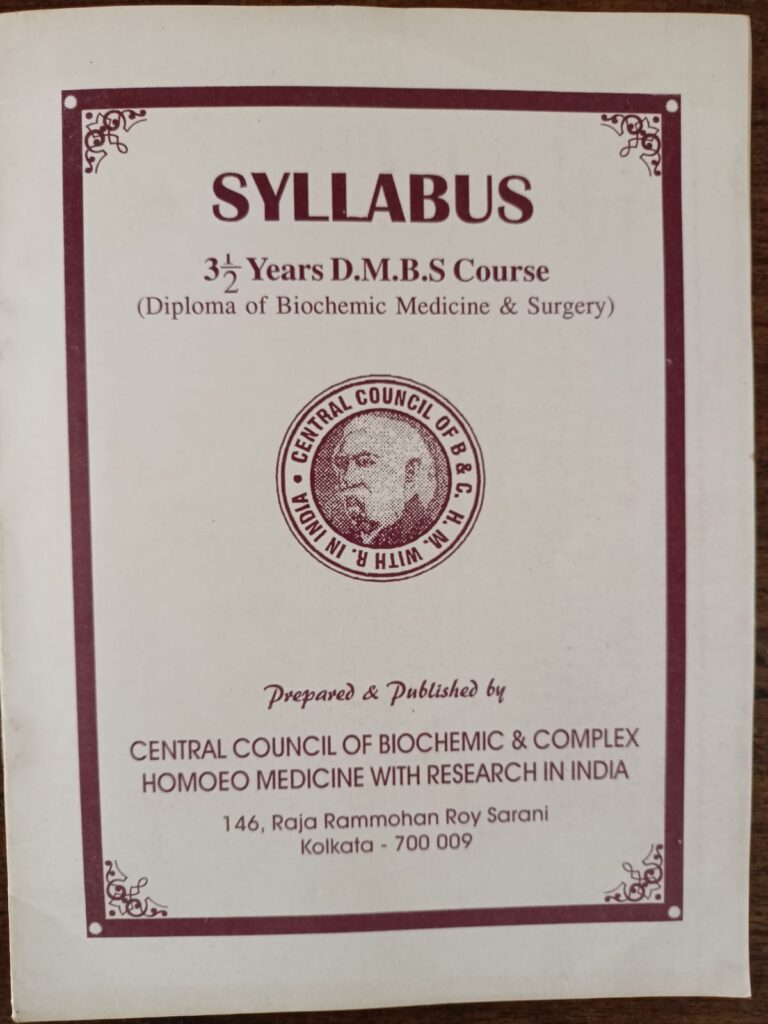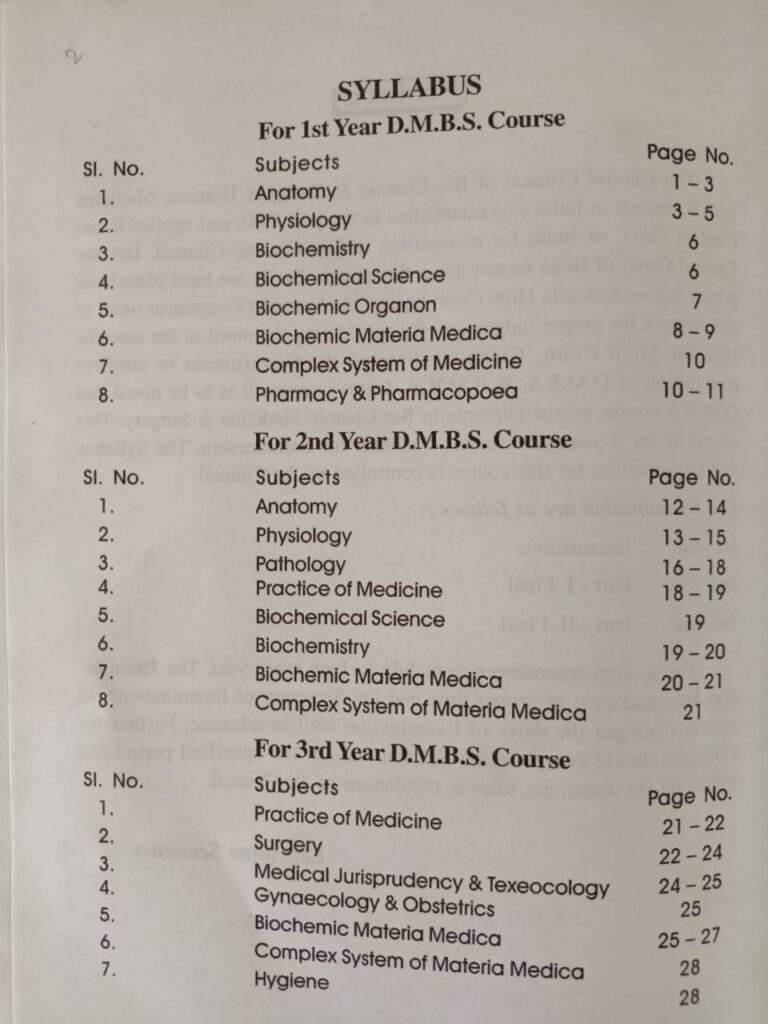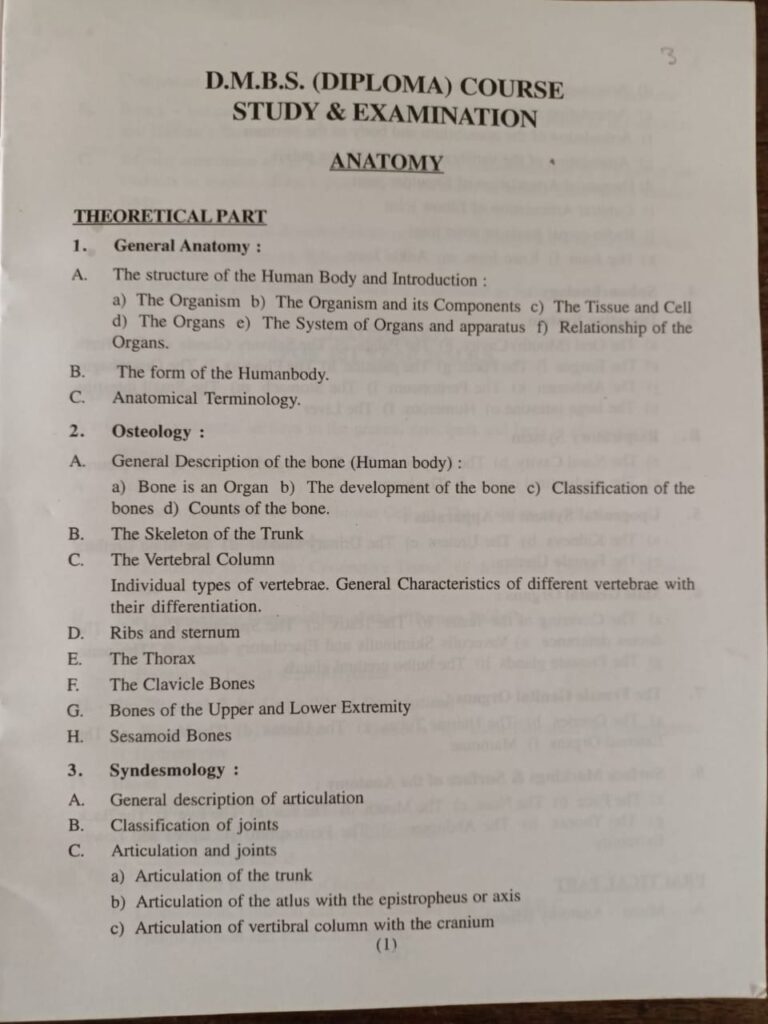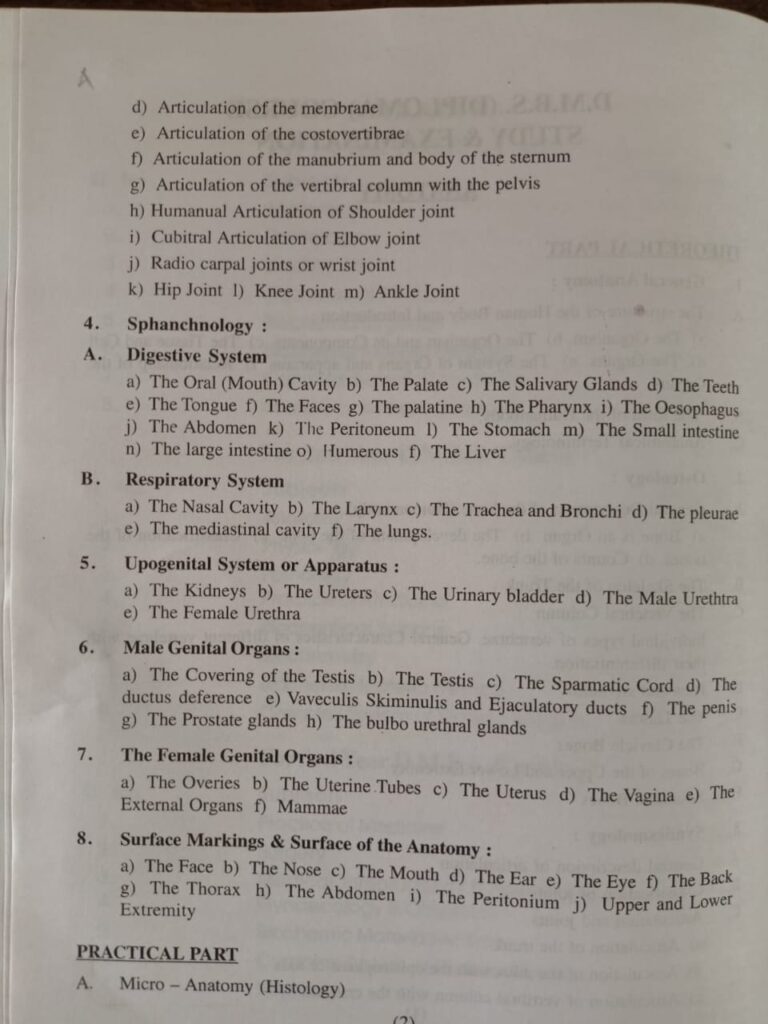
Biochemic medical Course DMBS

Dr. Wilhelm Heinrich Schussler….
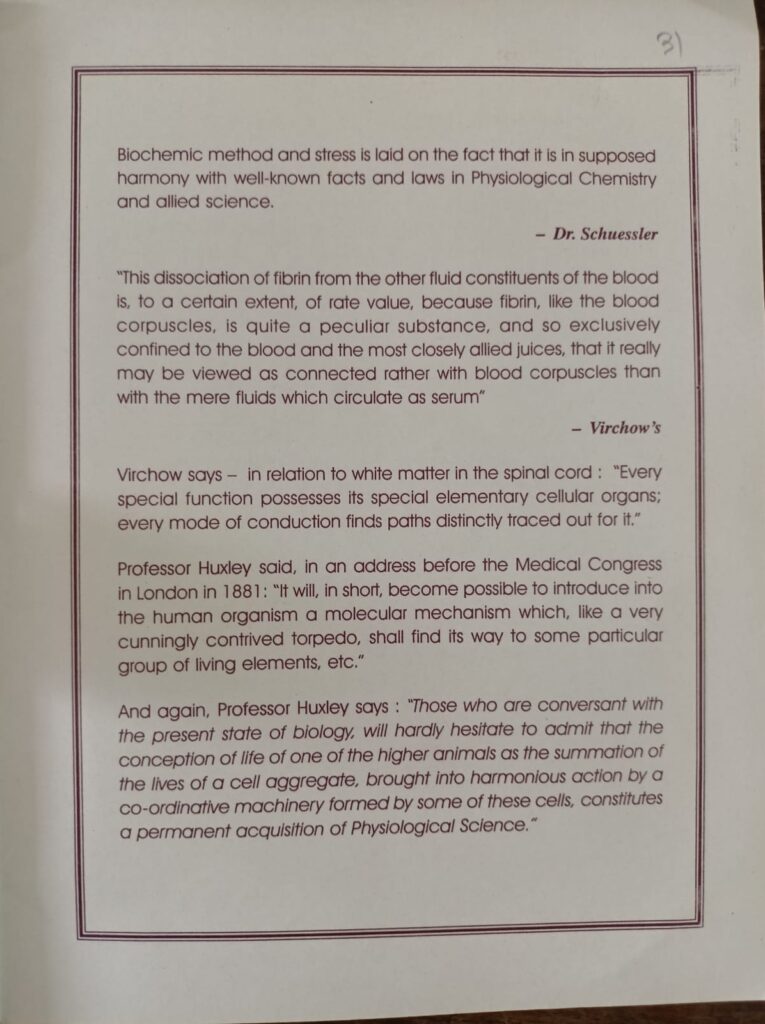
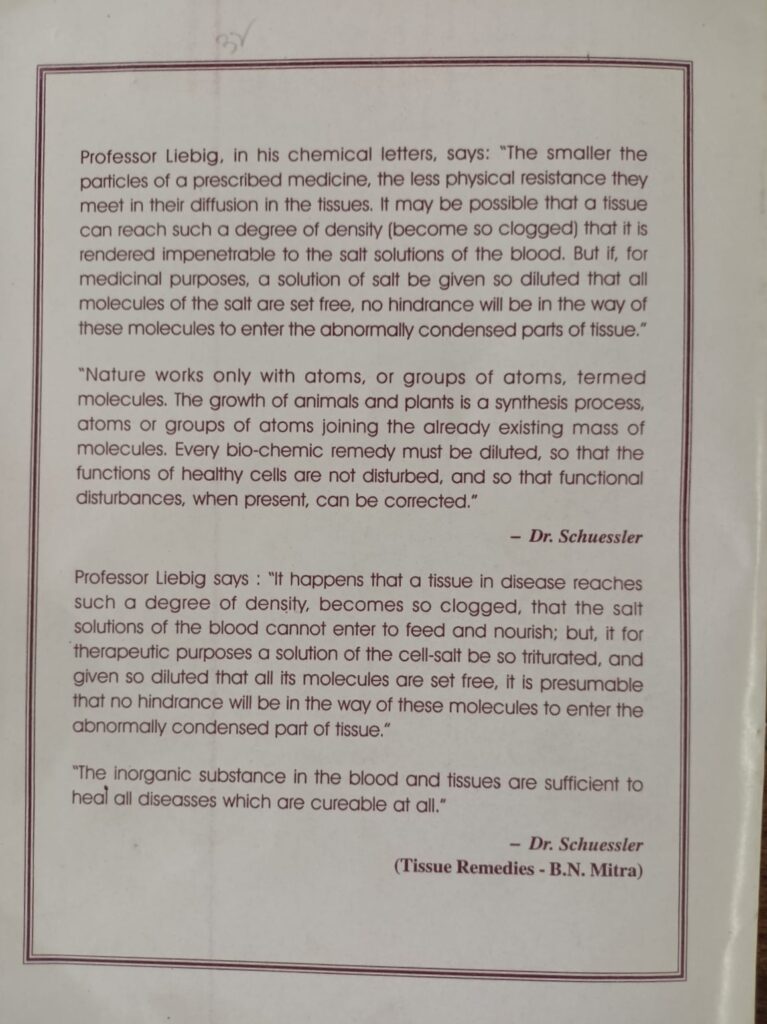
The German physician Wilhelm Heinrich Schussler (born on 21st August,1821, at Zwischenahn/Oldenburg), after 15 year of homeopathic practice, became particularly interested as a capable homoeopath in the most important inorganic salts of which the human body its composed, and in their quantitative relations1873 is considered the birth year of biochemistry. In 1874 Schussler’s first work appeared. Its title ws “An A bridged Therapy on the Basis of Physiology and Cellular Pathology”. The thesis he propounded in this work was: The inorganic substances found in blood and tissues are sufficient to cure all diseases that can be cured”. This statement ist of course true today only in very limited sense. It would be more accurate to say “…they help to cure all disease that can be cured, and in particular they help to regulate constitutional disturbances.
Schussler based his Biochemic therapeutic on the cell-activity. He started from the fact that the salts which remain after combustion from an essential part of every cell, and that any change in their proper quantitative relations will disturb normal cell function and cause disease.
The biochemic remedies were not selected according to the similarity principle of homoeopathy. They are chemically pure salts, homogeneous to the cell-minerals in human body, physiologically and chemically in close relation them. By the aid of these minerals disturbed molecular motion in the cell can be rectified, as taken for a certain period, these salts will be compensate the losses incurred during a disease. Thus the cells will recover, and will be able to overcome the disease completely.
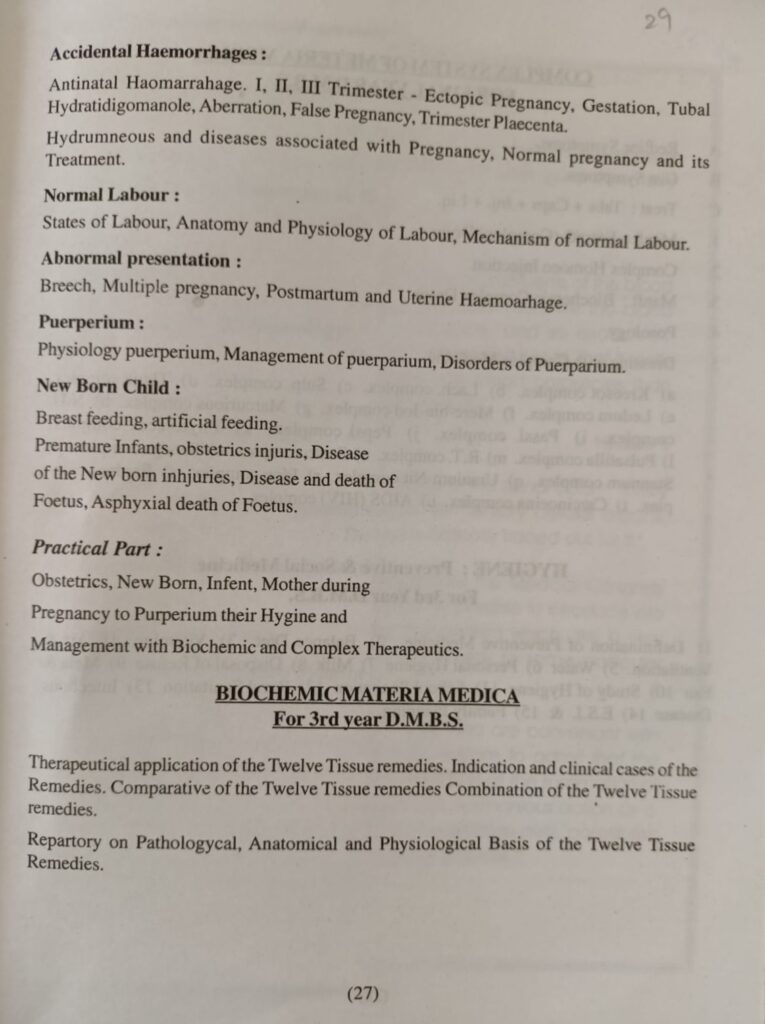
Schussler at first made use of 12 and later of only 11 mineral substances and from them built up a comprehensive therapeutic system. Here all 12 substances are discussed, since also Calcarea sulfuric, which Schussler later abandoned, has proved its value as a therapeutic agent.
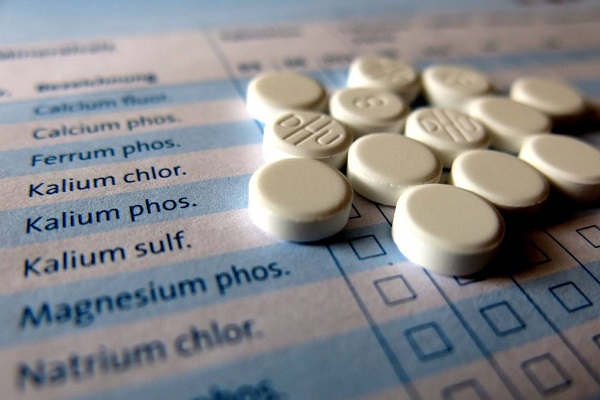
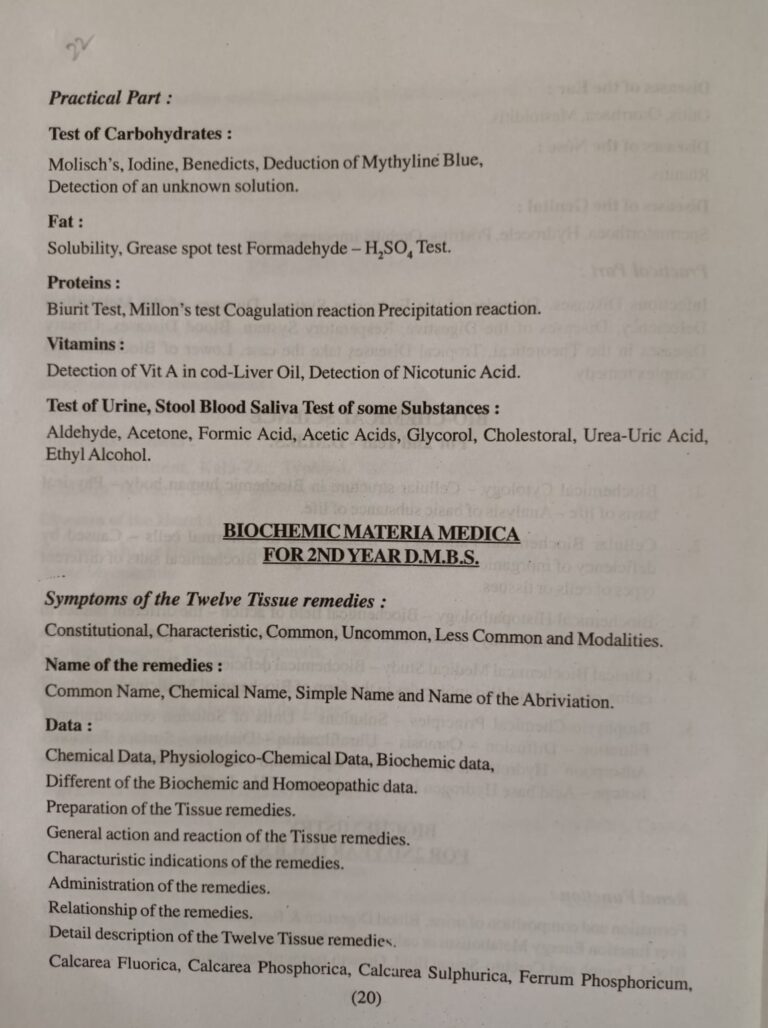
The 12 minerals salts
1. Calcarea Fluorica (Cal. Fluor.)
2. Calcarea phosphorica (Cal. phos.)
3. Calcarea sulfurica (Calc. sulf.)
4. Ferrum phosphoricum (Ferrum. phos)
5. Kalium muriaticum (Kali Mur)
6. Kalium phosphoricum (Kali.phos.)
7. Kalium sulfuricum (Kali.Sulf.)
8. Magnesis phosphoric (Mag. Phos.)
9. Natrium muriaticum (Nat. mur.)
10. Natrium phosphoric (Nat. Phos.)
11. Natrium sulfuricum (Nat. sulf.)
12. Silicea
Biochemical processes
More recent results of chemical, physical and physiobiological research in the field of natural science, regulatory pathology and neural pathologys in the medical field hav contribute much to the understanding of biochemical processes. The antagonistic tendency of sodium and potassium ions on the one hand and calcium ions on the other to established an erquilibrium is well known. The vagus-stimulating effect of sodium and potassium is offset by the sympathecus effect of calcium.
The biochemical method of administering potentized homoeopathic remedies should not only be regarded s kind of substitution method, that is, simply as amethod of replacing deficient substance. All these salts are supplied in far large quantities in our food.
Accurate diagnosis
The essential point is the state of preparation of these minerals which is achieved by potentizing with lactos, in accordance with Hahnemann’s prescription. It has been proved that through this special method of preparation both minerals and lactose acquire particular physical properties. Lattice structures are destroyed, and at the points of lesion electric forces and rays are released which are not present in solution and mixtures of non-potentized substances. These peculiar directional forces affect the neural structure of the central nervous system and of the autonomic nervous system and restore to the disharmonized, diseased its harmonious order. This process can be compared in every respect with the effects of modern neural therapy and is, to speak, a medicamentous form of this type of therapy… G Jaedicke, in his book “Biochemistry” states the problem very pregnantly: “Something introduced into the bidy which causes a disturbance and changes the existing state to bring about a restoration of harmony.”
The establishment of an accurate diagnosis in the conventional sense of the word, and with the use, if necessary, of all available technical equipment, is a matter of routine also in the case of biochemical treatment. Its purpose is not only to identify the disease diagnostically, but also to ascertain whether the pathological condition warrants treatment by the biochemical method. Constitutional and functional disturbances, disorders of the autonomic nervous system, all types of neuralgia, and many inflammatory and degenerative processes of all tissues can be successfully treated biochemically. In the cases of infectious and contagious diseases it should be decided in each individual case whether chemotherapeutic and antibiotic treatment is preferable. If the immunity conditions and the circulation are good, the initial stages of acute but not primarily dangerous infectious and contagious diseases by no means always require a rigorous antibiotic or chemotherapeutic treatment. On the contrary, resistance phenomena, incompatibilities, allergies and so on frequently preclude these methods. In such cases the application of biochemical methods is very valuable meningitis, diphtheria, tuberculosis, and venereal diseases should beyond question be the first place by the usual modern specific methods of treatment. Earlier experience with various biochemical substances is comparatively unimportant in these cases.
Widespread atrophy of the B – Cells Langerhans pancreatic island system, the loss of the epithelical bodies of the adrenal cortex, of the gonads, ect. Can be compensated only for a limited space of time by substitution therapy based on correct doss. Where the tissue of the hormone glands no longer functions fully and where the valuable parenchyma has been replaced by inferior connective tissue, even biochemiclly applied substances cannot bring about a regeneration. On the other hand, in cases where the otherwise intact gland tissue is affected by faulty never control and by sluggish functioning, better results can be achieved by biochemical treatment than by substitution since the latter method would only serve to increase the “laziness” of the already sluggish glands. In such cases the biochemical substances can active and normalize glandular activity. The ability of biochemical methods to influence malignant tumors is very questionable and can only be used as an additional aid together with the normal modern methods of treating tumors. For want of a better type of therapy every attempt must be made to operate as early as possible.